
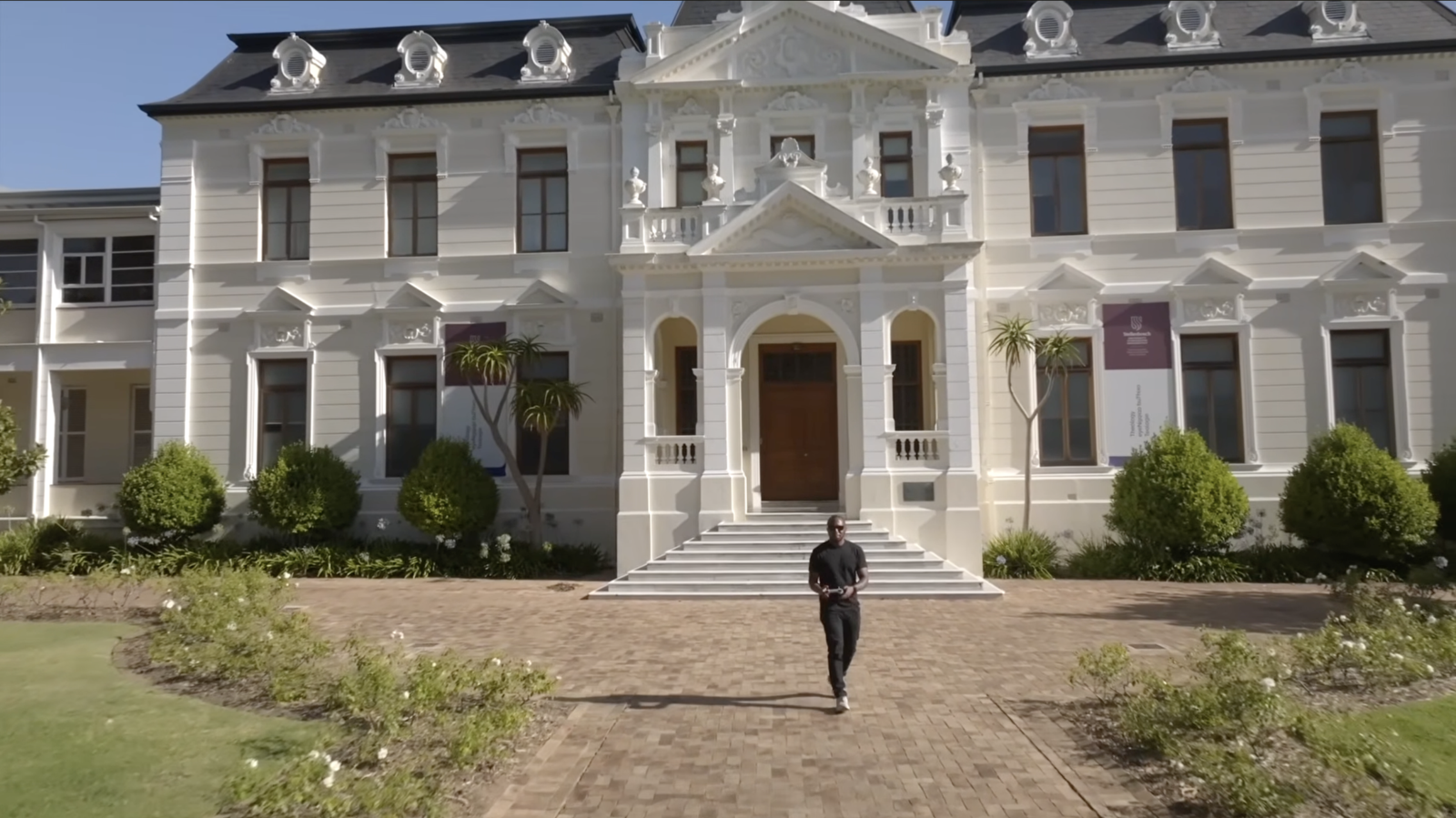
I discovered a school that turns away over 83,000 applicants every single year. With a 93% rejection rate, I explored Stellenbosch University to see if it was really worth the hype.
Often referred to as the “Harvard of Africa,” Stellenbosch University is a research-intensive powerhouse that consistently ranks among the top three universities in South Africa and across the African continent according to the Times Higher Education World University Rankings.
However, prestige comes with steep gatekeeping.
Out of approximately 90,000 applicants every year, Stellenbosch accepts just 6,200 students. That leaves an acceptance rate of under 7% and a rejection rate of over 93% that rivals, and in some years surpasses, Ivy League selectivity.
Check out our full walk-through above on YouTube to experience the underground libraries, lecture halls, and student culture of Stellenbosch firsthand. Don’t forget to subscribe as we head toward 1 million subscribers!
The Cost of Elite Education
To put Stellenbosch’s extreme selectivity into perspective, compare its admissions numbers directly to an Ivy League titan like Harvard University:
- Harvard University (USA): Accepts around 2,000 students out of roughly 48,000 annual applications, resulting in an acceptance rate of about 4%.
- Stellenbosch University (South Africa): Receives over 90,000 applications annually but only admits roughly 6,200 students across all faculties, keeping its acceptance rate at a fierce 6.8%.
With 10 applicants competing fiercely for every single open desk, getting admitted requires exceptional academic standing. But once inside, what does it cost to study at Africa’s elite research hub?
- Tuition Fees: International students can expect to pay between 60,000 to 170,000 South African Rand per year ($3,700 to $10,000+ USD) depending on the faculty.
- Living Expenses: Private studio or 1-to-2 bedroom student apartments range from 7,000 to 15,000 Rand per month ($380 to $800+ USD).
- Daily Living: Average daily expenses for food and essentials run around 250 Rand per day.
- Student Work Rights: Foreign students on a South African study visa are legally allowed to work up to 20 hours per week (roughly 5 hours a day) to offset tuition and living costs.
Despite these costs, Stellenbosch remains significantly more affordable than studying in London or Boston. Furthermore, graduate employability sits at an impressive 70% to 80%, making it a primary talent pool for top recruiters across Africa.
Apartheid Legacy
You cannot understand Stellenbosch University without understanding its history. Founded in 1866 as a small gymnasium, it evolved into an intellectual stronghold historically intertwined with Afrikaner nationalism during the Apartheid era.
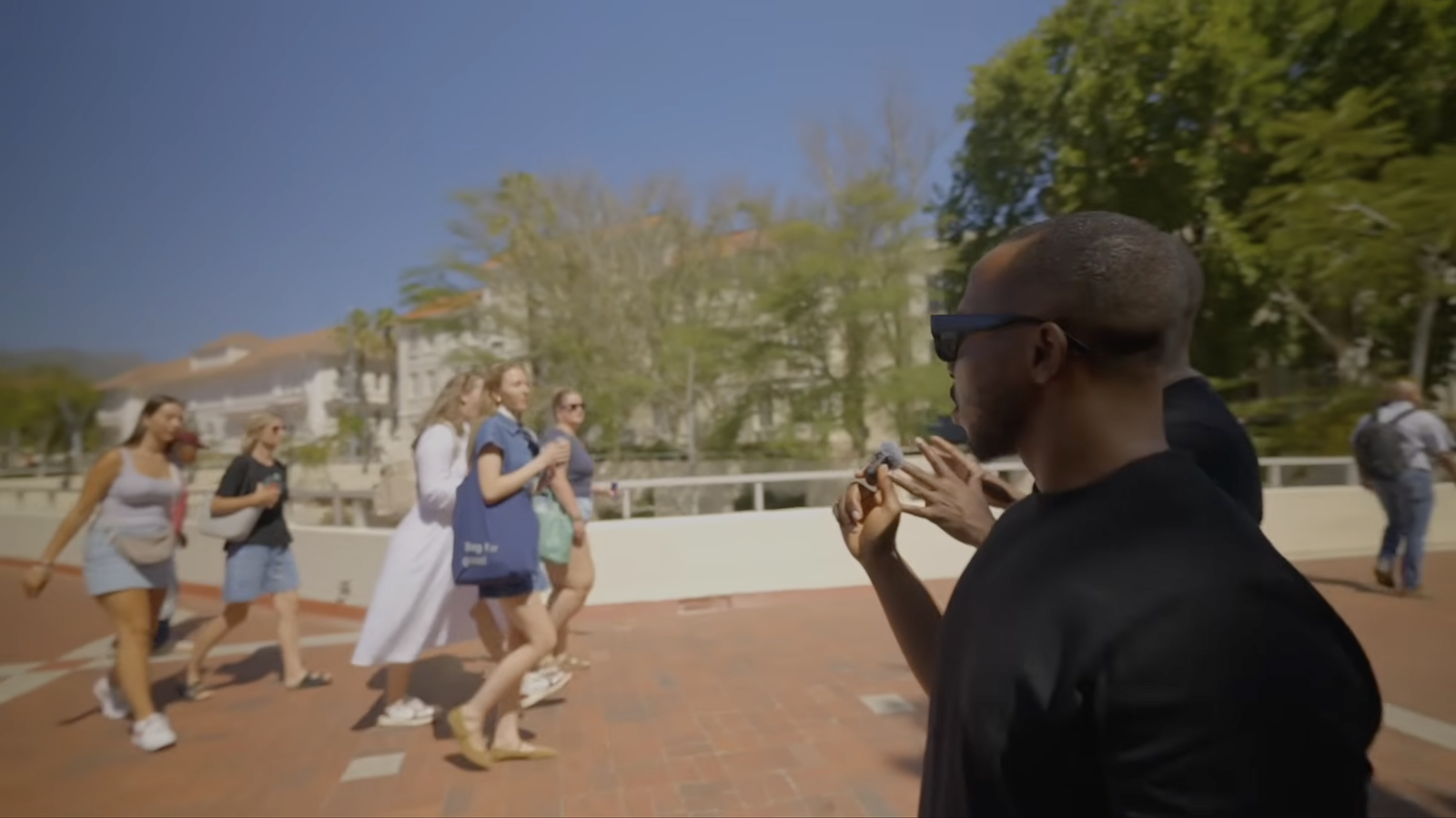
Walking through campus today, the demographic contrast is immediately visible—it remains one of the visibly white-dominated spaces in South Africa. The university has also faced intense public scrutiny over racial tension, including high-profile incidents of racism in student residences that sparked national debate.
I sat down with faculty members and students to discuss how the institution is navigating this complex journey:
“Part of the history of Stellenbosch is how we’ve reinvented ourselves, shifting from that old institution into one that is inclusive. Not just in terms of demographics, but in terms of gender, language policy, and orientation. Traditionally, our faculty was 70% to 80% white; today, key faculties like Theology have shifted to 70% to 80% Black leadership. It’s an ongoing journey—we haven’t arrived, but the space is opening up.” — Dean, Faculty of Theology
While students acknowledge that subtle racial dynamics and Afrikaans language barriers still exist behind closed doors, many international and local students describe the overall environment as welcoming, vibrant, and safe.
World-Class Infrastructure
Unlike traditional gated campuses wrapped in high fences, Stellenbosch operates as an open university town that’s seamlessly integrated into the surrounding city with no perimeter walls.
The university invests heavily in its physical and academic infrastructure, creating world-class spaces for learning and student life:
- The Underground Library: A multi-level subterranean study center housing massive volumes of books right beneath the central campus walkways.
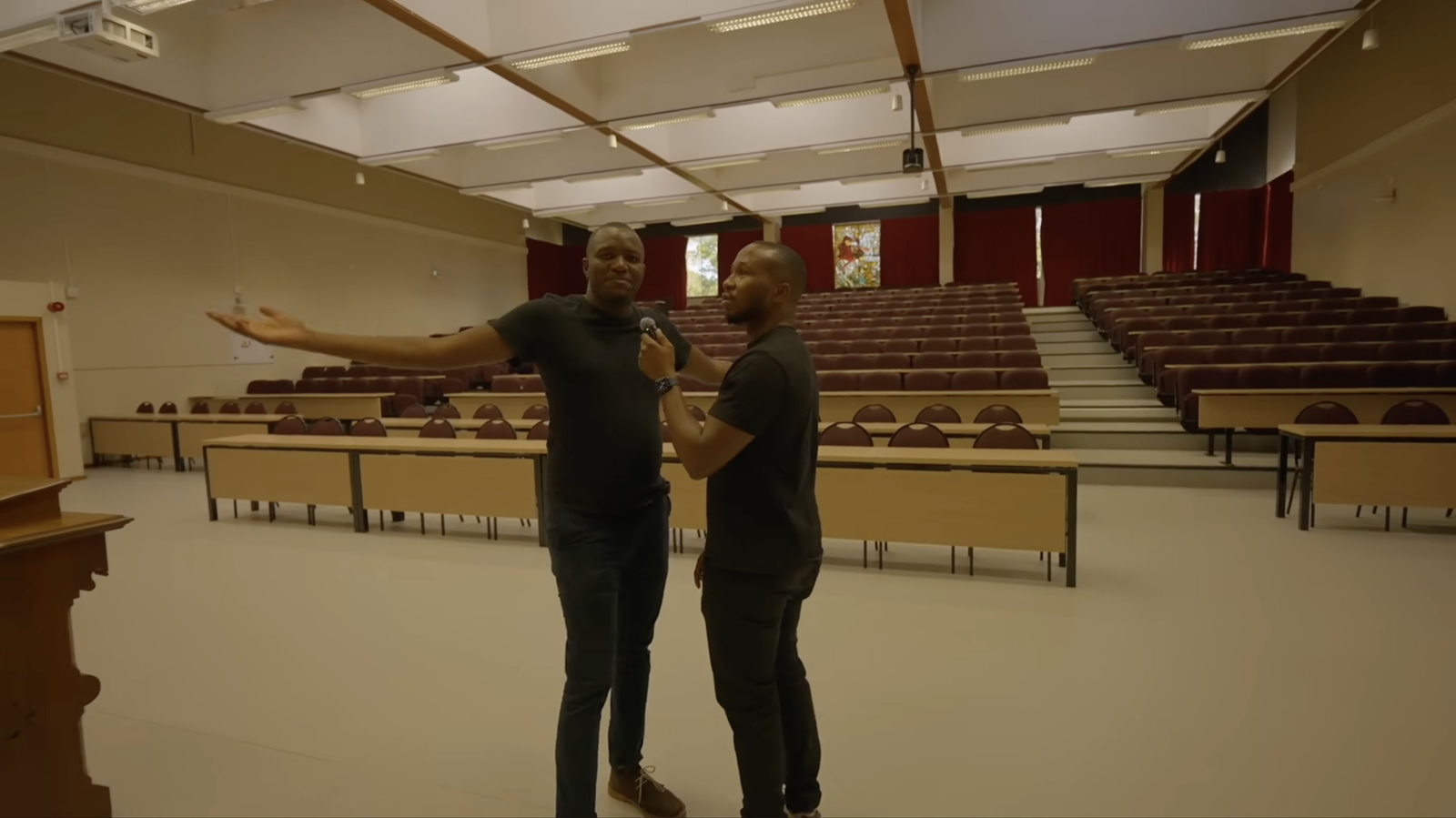
- Artie van Wyk Auditorium: A state-of-the-art, theater-style lecture hall equipped with massive screens, full air conditioning, and top-tier acoustics.
- Biomedical Research Institute: A game-changing, cutting-edge facility positioning the university at the absolute forefront of medical science across the continent.
- Neelsie Student Center: A vibrant on-campus student mall featuring cinemas, food courts, official merchandise stores (Maties Shop), and even a “perfume bank” for students on the go.
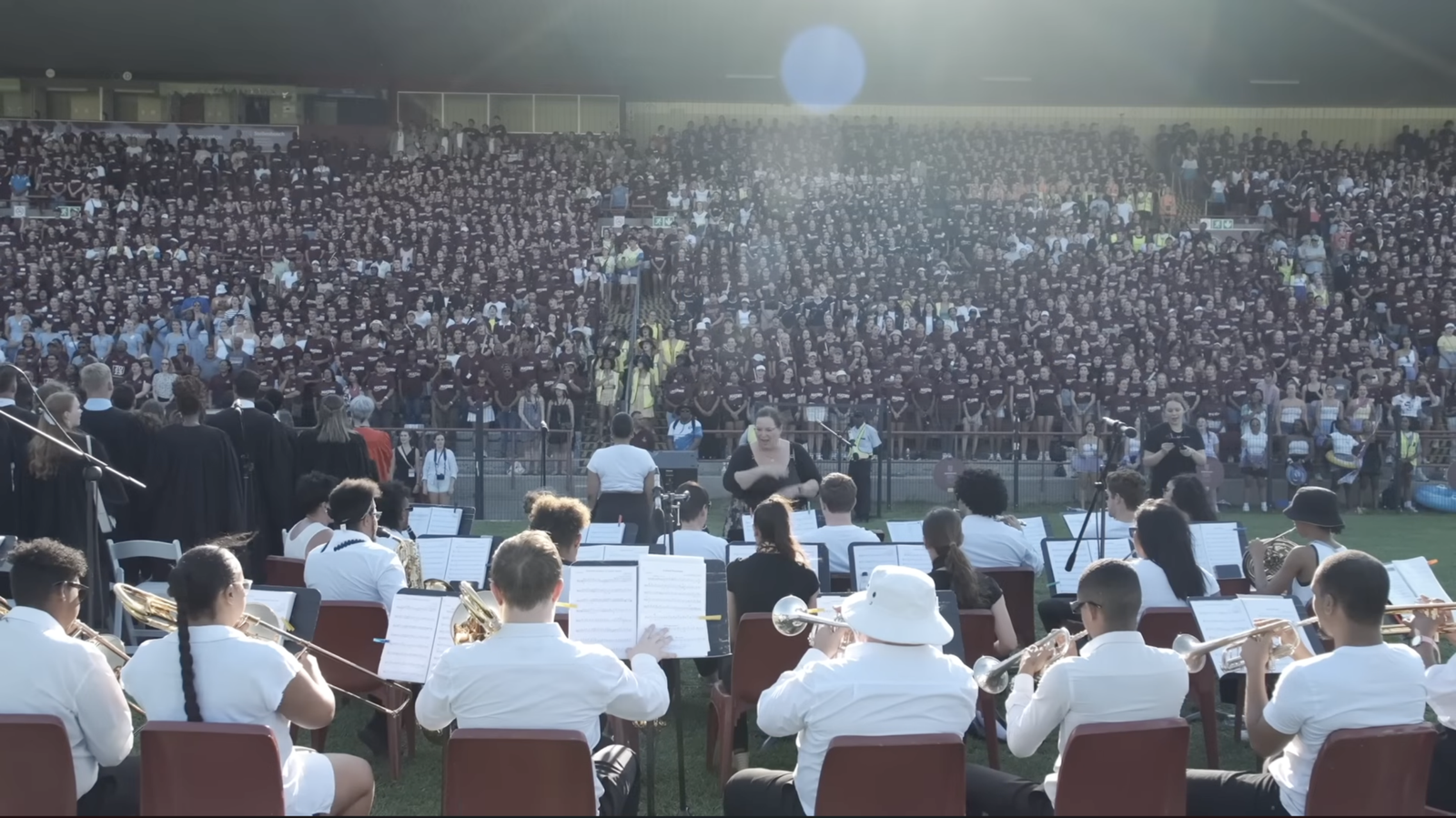
- The “Dream Walk”: A cherished campus tradition initiated along the town’s main strip where first-year students and university leadership walk together to mark the start of the academic year.
Is Stellenbosch Worth the Hype?
Is Stellenbosch truly the “Harvard of Africa”?
If you measure a university by its research output, faculty prestige, modern facilities, and job placement rates, Stellenbosch stands firmly at the top of African higher education. It offers world-class qualifications at a fraction of Western tuition prices while providing an open-town campus lifestyle unmatched on the continent.
However, it remains an institution actively wrestling with its historical identity, working every day to bridge its past with a diverse and inclusive future.
Conclusion
With an acceptance rate under 7%, Stellenbosch University’s admission requires top academic credentials. However, high graduate placement rates (70–80%) make it a high-value degree for international career moves. Note that while modernizing rapidly with world-class facilities, its historical racial dynamics remain a pivotal conversation.
Join the Conversation
- Watch the Documentary: See the full campus walk-through and student interviews on YouTube!
- Subscribe: Stay tuned as we explore more world-class institutions, real estate markets, and untold stories across the globe.