Before embarking on this expedition, if you had asked me what I knew about Namibia, I probably would have given you a one-word answer: desert.
I knew it was situated in southern Africa, and I knew it had vast stretches of sand. But the deeper I researched the country, the more astonished and intrigued I became.
How could a single nation hold one of the world’s largest canyons, some of the tallest sand dunes on earth, a coastline littered with shipwrecks, desert-adapted wildlife, and indigenous communities that have preserved their ancient traditions for generations?
To answer that question, I landed in the capital city, rented a fully equipped 4×4 rig, and set off on a 13-day, multi-thousand-kilometer road trip through some of the most remote, surreal landscapes on Earth. Here is what I discovered along the way.
Don’t forget to check out the full video experience on YouTube (click the link above) to see these unbelievable landscapes in motion, and make sure to subscribe to follow along on future expeditions!
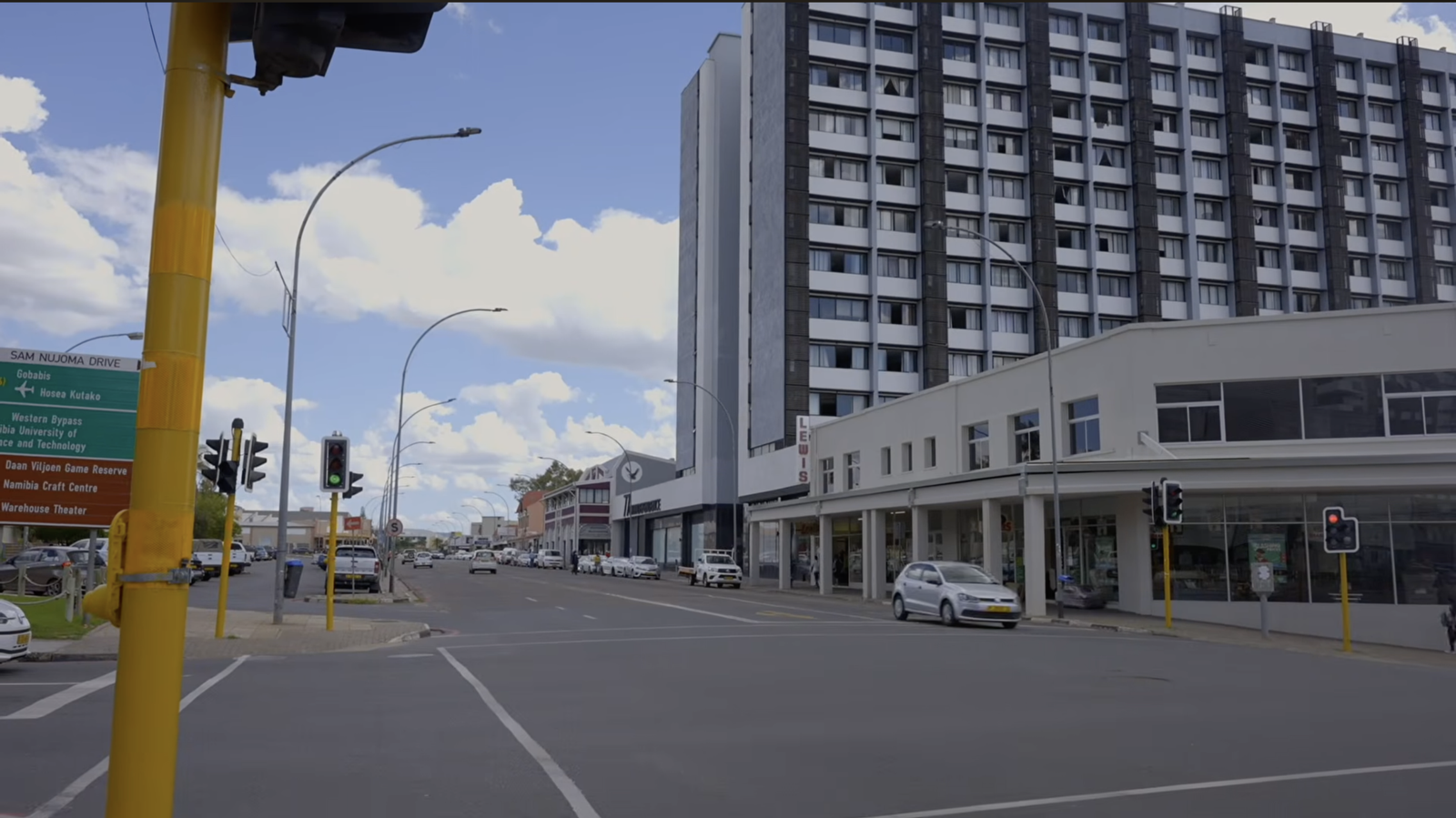
Touchdown in Windhoek
My journey began in Windhoek, Namibia’s capital city. Stepping out into Windhoek, the first thing that hits you is how quiet and organized it feels compared to typical bustling African capitals. It carries a calm atmosphere that reminded me of parts of South Africa.
I spent my first night in a modern mini-flat in the city center for $55 a night before picking up the real hero of this expedition: a 4×4 camper vehicle fitted with a roof tent, a built-in refrigerator and freezer, camping gas, chairs, and cookware. In a country known as the emptiest in Africa by population density, having a self-contained rig means you can stop, cook, and camp virtually anywhere.
Before heading deep into the interior, I took a short 50-kilometer warm-up drive to Lake Oanob—a picturesque reservoir surrounded by chalets where locals gather for boat cruises and jet-skiing. It was a peaceful taste of local life before hitting the open road.
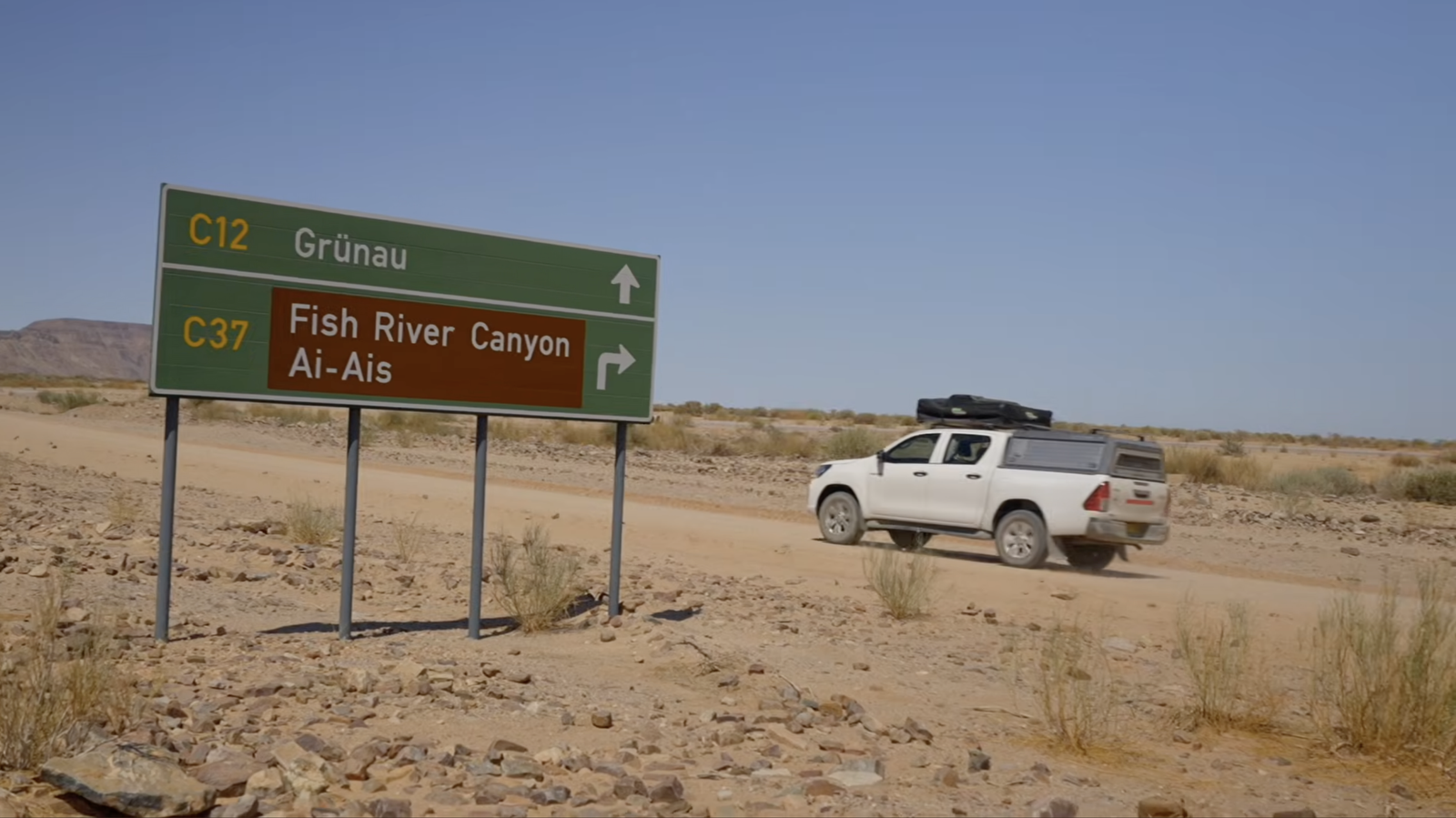
Fish River Canyon & The Quiver Trees
Driving out of Windhoek, the urban landscape quickly evaporated into endless horizons. Namibia drives on the left side of the road, which took a moment of adjustment, but as the hours rolled on, the changing terrain became the main attraction.
My first major landmark was Fish River Canyon, one of the largest canyons in the world. Carved over millions of years by the Fish River, its massive rock walls plunge hundreds of meters into deep ravines below. Standing on the edge, the sheer scale is staggering; even shouting across the abyss yields a dramatic, echoing reverb across the empty canyon walls.
From there, I drove two hours east to the Quiver Tree Forest. These prehistoric-looking trees, with their golden trunks and stark, reaching branches, look straight out of a science fiction film. While famous for holding some of the clearest, unpolluted night skies in the world for astrophotography, a sudden night of unexpected rain meant taking shelter in my rooftop tent—a reminder that nature always dictates the rules out here.
“No matter how much you scream ‘help me’ out into the canyon, there is nobody here. The scale is almost impossible to comprehend until you stand right in front of it.” — Steven Ndukwu
Kolmanskop Ghost Town & Lüderitz
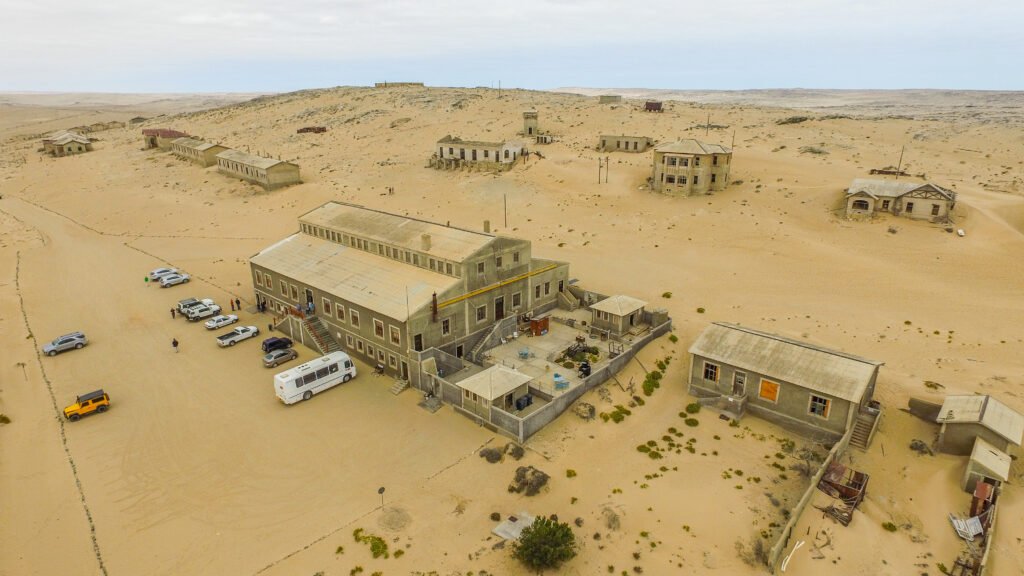
Heading further south, I entered a region defined by boom-and-bust history. In the early 1900s, diamonds were discovered in the desert sand, leading to the rapid rise of Kolmanskop. This opulent mining town quickly became one of the wealthiest settlements in the region.
When richer diamond deposits were found further south, the entire population abandoned Kolmanskop, allowing the Namib Desert to reclaim it. Today, windblown sand dunes fill the interior of former luxury homes, creating an eerie, haunted landscape. Walking through the town reveals fascinating historic structures:
The Mine Manager’s & Architect’s Houses: Grand double-story homes designed with European elegance.
The First Casino & Laundromat: A former red-light district that was converted into a communal laundromat once families moved in.
Africa’s First Tram Line: A donkey-pulled tram system that delivered fresh water, ice blocks, bakery goods, and sodas to every doorstep each morning for free.
Just a short drive away sits Lüderitz, a coastal town with rich German colonial architecture (originally known as Lüderitzbucht). Unlike Kolmanskop, Lüderitz survived, offering a historic coastal contrast to the silent ghost town nearby.
Where the Dunes Meet the Sea
Leaving the coast, I ventured toward Sossusvlei, home to some of the tallest sand dunes on Earth.
Waking before dawn to beat the punishing desert heat, I tackled the infamous Big Daddy Dune. Climbing a dune looks deceptively simple from afar, but with every step, your feet sink deep into the loose sand, turning a short hike into a grueling workout. Reaching the crest, however, reveals an otherworldly panorama of shifting light and shadow over vibrant orange sand.
Directly at the foot of the dunes lies Deadvlei, a white clay pan punctuated by hundreds-of-years-old dead camelthorn trees. Framed against the stark white ground and towering orange dunes, it remains one of the most striking visual sights in all of Africa.
From Sossusvlei, I navigated toward Sandwich Harbour, one of the rare places on earth where 50-million-year-old desert dunes plunge directly into the roaring Atlantic Ocean. Reaching it requires a serious 4×4 rig and an expert driver: at high tide, the narrow beach path disappears entirely, leaving the ocean on one side and towering sand walls on the other. Deep within this arid coastal landscape, digging just a few inches into the sand surprisingly reveals cool, drinkable fresh water.
Cape Cross to Spitzkoppe
Continuing north along the Atlantic coast, I made two very different marine stops:
Cape Cross Seal Colony: Home to one of the largest Cape fur seal colonies in the world. The shoreline is a wall-to-wall blanket of thousands of noisy, chaotic, and pungent seals.
Walvis Bay: A calmer marine adventure where a boat cruise brought me face-to-face with pelicans, dolphins, and friendly seals that hopped right onto the deck to greet passengers.
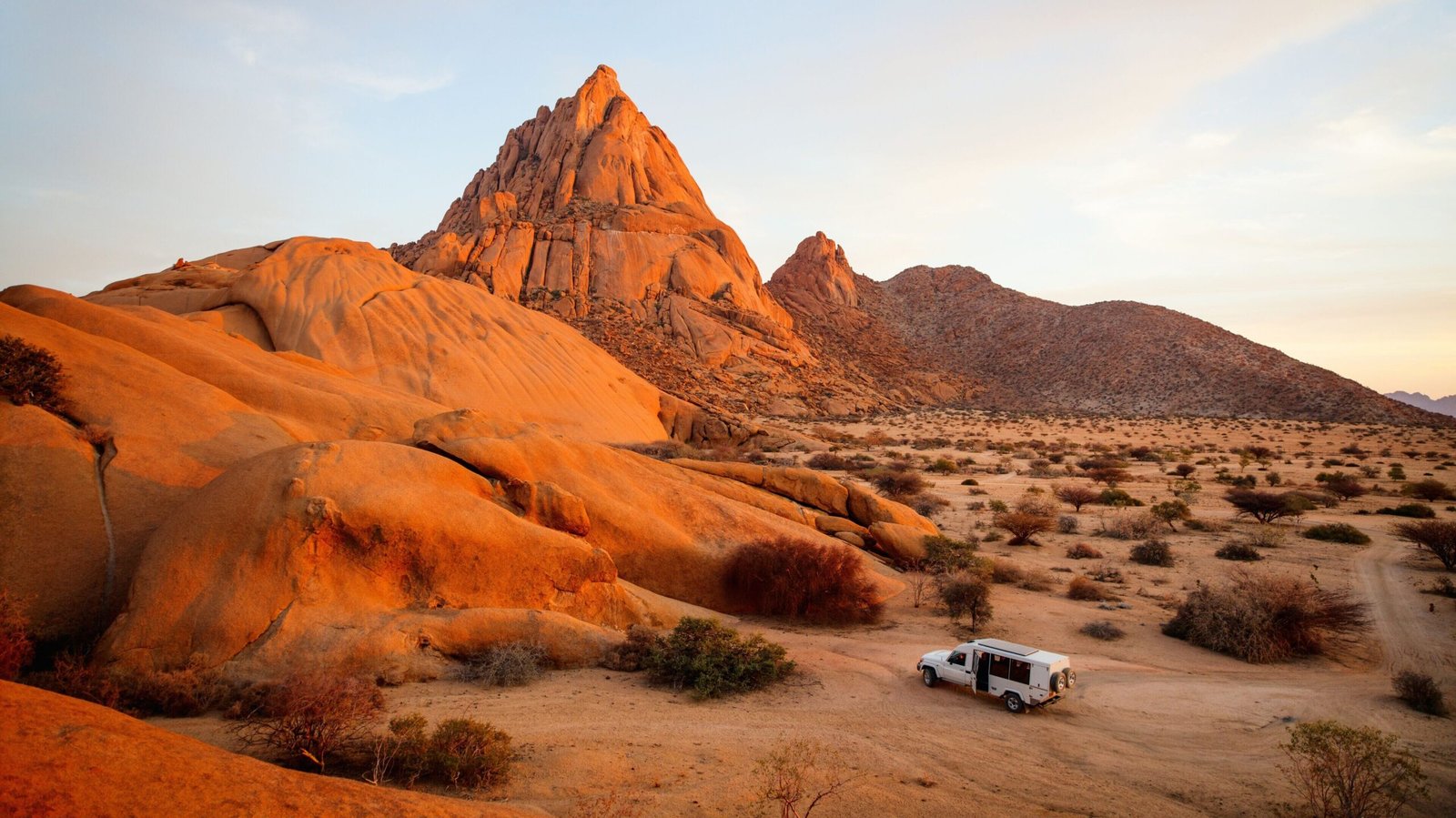
Turning inland toward Damaraland, a massive granite monolith rose up out of the desert plain: Spitzkoppe. Often referred to as the “Matterhorn of Africa,” these ancient volcanic granite peaks formed over 120 million years ago and rise nearly 1,800 meters above sea level. Watching the sunset turn the granite boulders into glowing shades of amber is a bucket-list experience for any traveler.
Skeleton Coast, Desert Elephants & Etosha
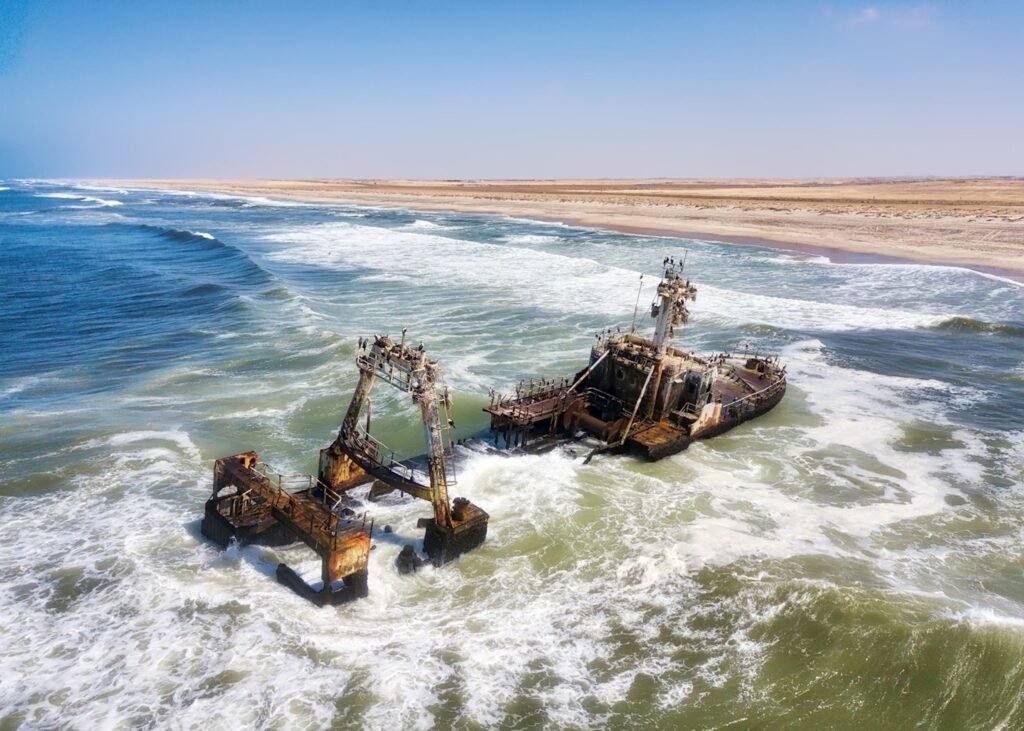
Driving further north brought me to the Skeleton Coast, a stark, desolate stretch of coastline named for the animal skeletons and rusted shipwrecks scattered across its shores. The heavy ocean fog and fierce winds give the area a mysterious, unsettling beauty.
Moving east into Damaraland, I went in search of one of Namibia’s most famous natural wonders: desert-adapted elephants. While genetically identical to savanna elephants, these resilient creatures have adapted to survive in extreme, water-scarce environments. They navigate rocky terrain and throw dry sand over their backs to act as natural sunscreen against the intense heat.
My ultimate wildlife destination was Etosha National Park, a world-renowned conservation sanctuary. Driving through Etosha offers an intimate, unscripted look at Africa’s big game:
Black & White Rhinos: Heavily protected species. Conservationists often proactively de-horn rhinos in captivity before releasing them back into the wild to render them valueless to poachers.
Predators & Grazers: Watching cheetahs—built for speed with flexible spines and long limbs—alongside herds of zebras and wildebeests moving freely across the open salt pans without fences or crowds.
Among the Himba People
To truly understand Namibia, you must look beyond its landscapes to its people. My journey concluded with a visit to a traditional Himba village.
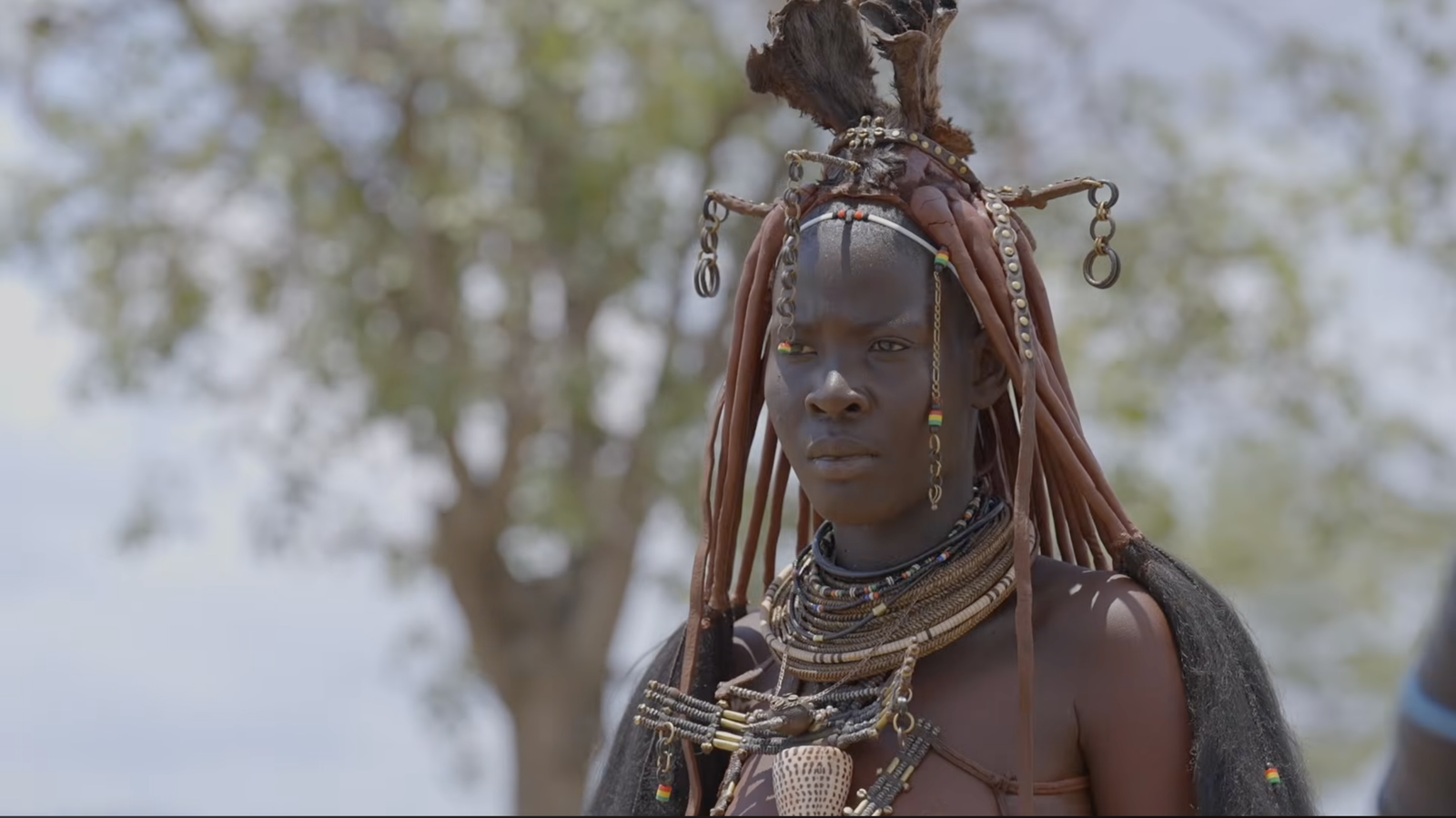
The Himba are semi-nomadic pastoralists who move across regions in search of grazing land for their livestock. In Himba culture, true wealth is not measured in paper currency but in cattle.
The Himba women are famous for their distinct appearance, applying otjize (a rich mixture of butter fat and red ochre pigment) to their skin and braided hair. Because water is extremely scarce in their arid environment, this daily ritual cleanses and protects the skin from the harsh sun and insects without ever needing water baths. Sitting inside their handcrafted mud-and-thatch homes and joining in their traditional dances was an unforgettable lesson in cultural pride and preservation.
Final Thoughts & Travel Resources
Before this road trip, Namibia was just a destination on a map that I associated strictly with sand. After covering thousands of kilometers, I realized it is one of the most visually diverse, ecologically rich, and culturally vibrant countries on the continent.
Whether you are a wildlife enthusiast, a photographer chasing natural light, or an adventurer looking for complete open freedom, Namibia deserves a top spot on your global travel bucket list.
Plan Your Own Namibian Expedition
Planning a self-drive road trip across Namibia takes dozens of hours of logistics, route mapping, and vehicle coordination. To save you the headache, I compiled my exact itinerary into a comprehensive Namibia Travel Guide.
What’s Included: Verified 4×4 rental contacts, recommended campsite & chalet bookings, complete driving routes, and essential travel tips for every region featured in this article.
Get Access: Download the complete guide here to start planning your ultimate African adventure!
For Partnership, collaboration and sponsorship inquiries contact business@stevenndukwu.net
Steven Ndukwu is a Seasoned Filmmaker, Content Creator and Internet Personality with over 50 Million plus online views with a million gross Following on social media.